
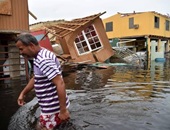
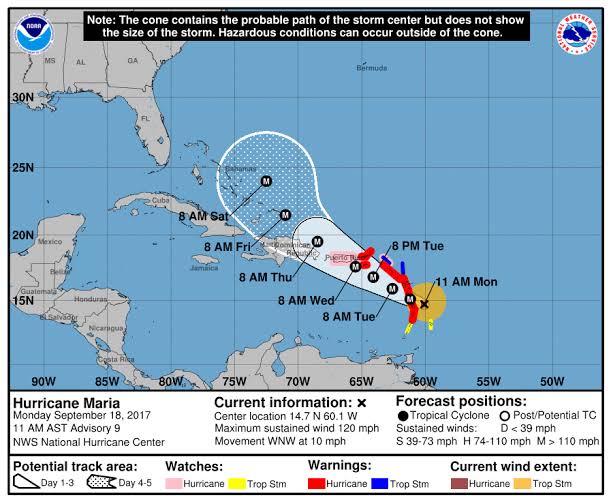
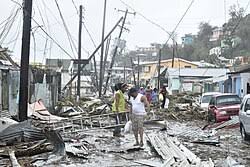
On September 2017, the catastrophic tropical cyclone Hurricane Maria tore through the Caribbean, mainly in the U.S. territory of Puerto Rico, leaving three thousand dead, 70 percent of the housing damaged, and other signs of destruction that are still evident, nine years later. Fewer than ten percent of homeowners were insured.
Never ones to waste a crisis, economists are poring over the event for useful lessons in such things as whether U.S. post-disaster policies are effective.
“Currently, federal policy focuses on preserving communities,” said Shifrah Aron-Dine, Assistant Professor of Agricultural and Resource Economics, UC Berkeley. “The emphasis is on rebuilding subsidies for homeowners with property damage if approved, as well as greater investment in local infrastructure.”
The webinar, titled “Rebuild or Relocate? Recovery after Natural Disasters” by Aron-Dine, was part of the Virtual Seminar on Climate Economics (VSCE), a series organized by the Europe-based Centre for Economic Policy Research (CEPR).
Her prize-winning research evaluated the welfare effects of natural disasters and policy response. It used a new measurement of the distributional effects of Hurricane Maria, and it deployed the quantitative general equilibrium model with terms that include migration, housing and infrastructure.
The source of data on post-disaster behavior came from travel data for airline flights and an original survey. Although many people departed from Puerto Rico after Hurricane Maria, high migration costs prevented an even larger number from leaving. Of those who stayed, they had to cope without electricity, the risk of homeowner default (foreclosure), and the costs and complexity of repairing and rebuilding.
The dynamic model Aron-Dine used had three unique features that brought it much closer to modeling reality:
- Heterogenous households that could rent or own (with a long-term defaultable mortgage)
- Temporary and permanent migration, with monetary and non-monetary costs
- Infrastructure input that could affect firms’ production and housing services
Findings
Aron-Dine found that homeowners with property damage undervalued the rebuilding subsidies, about 74 cents on every dollar spent. They might lose eligibility in case of mortgage default or sell before completing repairs. There was uncertainty about eligibility and timing, approval process and slow repairs. In other words, a subsidy to rebuild is a risky, non-tradable asset that makes for poor insurance.
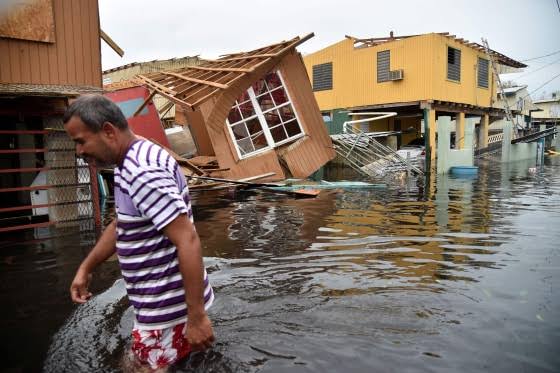
The researchers found that welfare losses are large for renters and homeowners—even without direct damage. This is because all households suffer the brunt of worse infrastructure and higher housing costs. Few can afford to migrate, which means there is continued high demand for local housing, and the supply is inelastic.
Alternative policies yield large improvements in economic welfare. Migration subsidies allow people to leave, thereby lessening the demand for housing. Unconditional cash transfers also helped people. These didn’t tie the recipients to the damaged house, and the relaxed financial constraints meant other opportunities could be seized.
More information can be found in the research article whose link is given below. ♠️
Click here to read “Rebuild or Relocate? Recovery after Natural Disasters” by Shifrah Aron-Dine. This paper won the 2025 E-Axes Forum prize.
Click here to view the VSCE webinar “Rebuild or Relocate?” at the CEPR website.